
You've Invested in PBIS, SEL, and Threat Assessment. So, Why Are Students Still Falling Through the Cracks?
Oct 12, 2026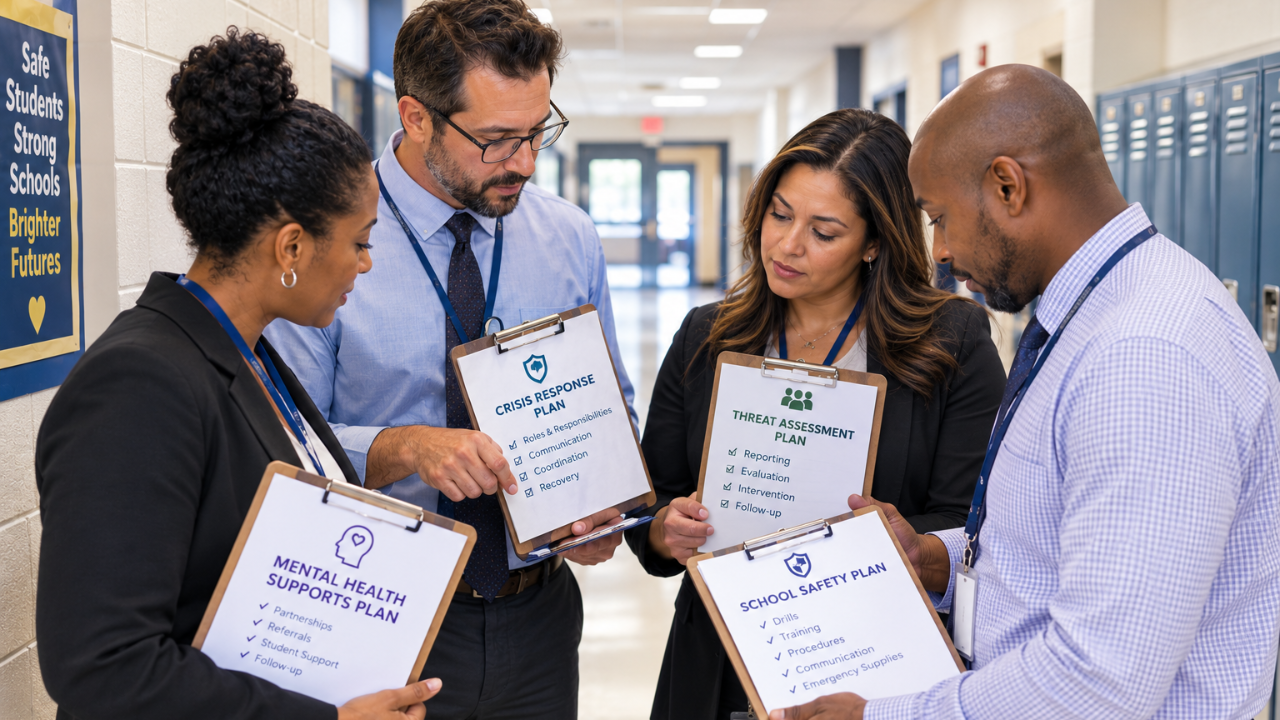
Your safety plan passed the audit. But would it hold up on a Tuesday?
Fall is often when school safety plans get checked. Not just on paper, but on campus. Drills are conducted. Site observations take place. Schools practice with community first responders. Compliance is reported, and corrections and action plans are developed to address identified gaps. In many districts, that's what school safety looks like: a checklist.
Here's the uncomfortable truth: most districts aren't unprepared because they haven't invested in their students or their safety. They're unprepared because those investments are often fragmented.
They've built PBIS. They've implemented SEL. They have threat assessment protocols, mental health supports, and crisis response plans. Yet, students still fall through the cracks, warning signs still go undetected, and incidents still catch districts off guard.
The issue isn’t a lack of effort. The issue is that programs designed to prevent violence, support student well-being, and respond to concerns are often operating in silos instead of functioning as one integrated system.
Compliant Is Not the Same as Prepared
A district can be fully compliant with every drill logged, every training documented, and every required box is checked. There can still be significant gaps that only become visible when something happens.
Compliance answers the question, "Did we do what's required?" Preparedness requires a harder question, “Do our systems actually work together when a student needs them to?”
That distinction matters because it’s the difference between having a safety plan that exists on paper and having a system that actually functions when it matters most.
What Moving from Paper to Practice Actually Requires
Most districts already have the pieces. They have a PBIS framework, an SEL curriculum, a threat assessment protocol, mental health partnerships, and a crisis response plan. The missing piece usually isn't a program. It's the connection between the programs they already have.
Consider a student who begins showing early warning signs. A teacher may notice a change through their SEL work. The student may be referred through a separate MTSS process. The concern may be discussed in a behavior meeting where the SEL data isn’t available. A mental health partner may then provide support without visibility into what has already happened at school.
Each part of the system may be working. But they aren’t necessarily working together. That is exactly where students can fall through.
Closing that gap isn't about adding another program. It's about stepping back and examining whether the systems you already have are connected across a few consistent areas:
- Proactive: Are you creating safe and predictable environments where connection, belonging, and positive relationships are built intentionally rather than left to chance?
- Preventative: Are staff equipped to recognize warning signs? Are you monitoring your systems and outcomes and using what you learn to make adjustments?
- Responsive: When concerns are identified, do they lead to coordinated, tiered interventions with consistent progress monitoring?
- Immediate Response: When a crisis occurs, do your notification systems, assessment processes, and communication with community partners work the way they are supposed to?
Most districts have invested in strong individual pieces. The question is whether those pieces actually talk to each other. That is the real test of whether your safety plan is a functioning system or simply a collection of well-intentioned programs and protocols.
Why This is Easy to Miss from the Inside
Fidelity checklists for individual programs are useful. PBIS TFI, for example, can help a school understand whether it is implementing PBIS with fidelity. But it answers a narrower question: Are we implementing this particular program well? It doesn’t necessarily tell you whether PBIS connects with your SEL work, your threat assessment process, or your crisis response plan.
There is another challenge. Much of this work is self-assessed. Leadership teams are often evaluating what they believe is happening across their schools. That information is valuable, but it may not always reflect what is actually happening at the site level. Sometimes you need an outside perspective to see the gaps.
This isn’t because the people leading these programs don’t understand their work. They often understand their individual areas extremely well. It’s a vantage point issue. When everyone is responsible for a specific piece, it can be difficult for anyone inside the system to see where those pieces stop connecting.
The Question Worth Asking Before Your Next Board Report
Every fall, districts present safety updates that satisfy a board agenda item. But can your district honestly answer a more important question: Would our systems hold up under real pressure? Not the pressure of a scheduled drill, but a real Tuesday when a student is in crisis, a teacher is concerned, an administrator needs information, a mental health provider may need to be involved, a threat assessment team may need to respond, and families and community partners may need communication. Can all of those pieces work together?
Fragmented systems can miss warning signs. Integrated systems are designed to catch them. The answer isn't necessarily more programs. You may already have what you need. The question is whether the programs, people, processes, and information you already have are actually working together.
If your district hasn’t been able to fully answer that question, the District Systems Integration Assessment is a free place to start. It can help you identify where your systems connect and where gaps may exist. If you want a deeper, third party look at how your systems work together, the ALIGN Diagnostic provides a more comprehensive assessment.
Navigate with us!
Exclusive coaching tips, resources, and updates to help you in navigating success for every student.
We won't send spam. Unsubscribe at any time.